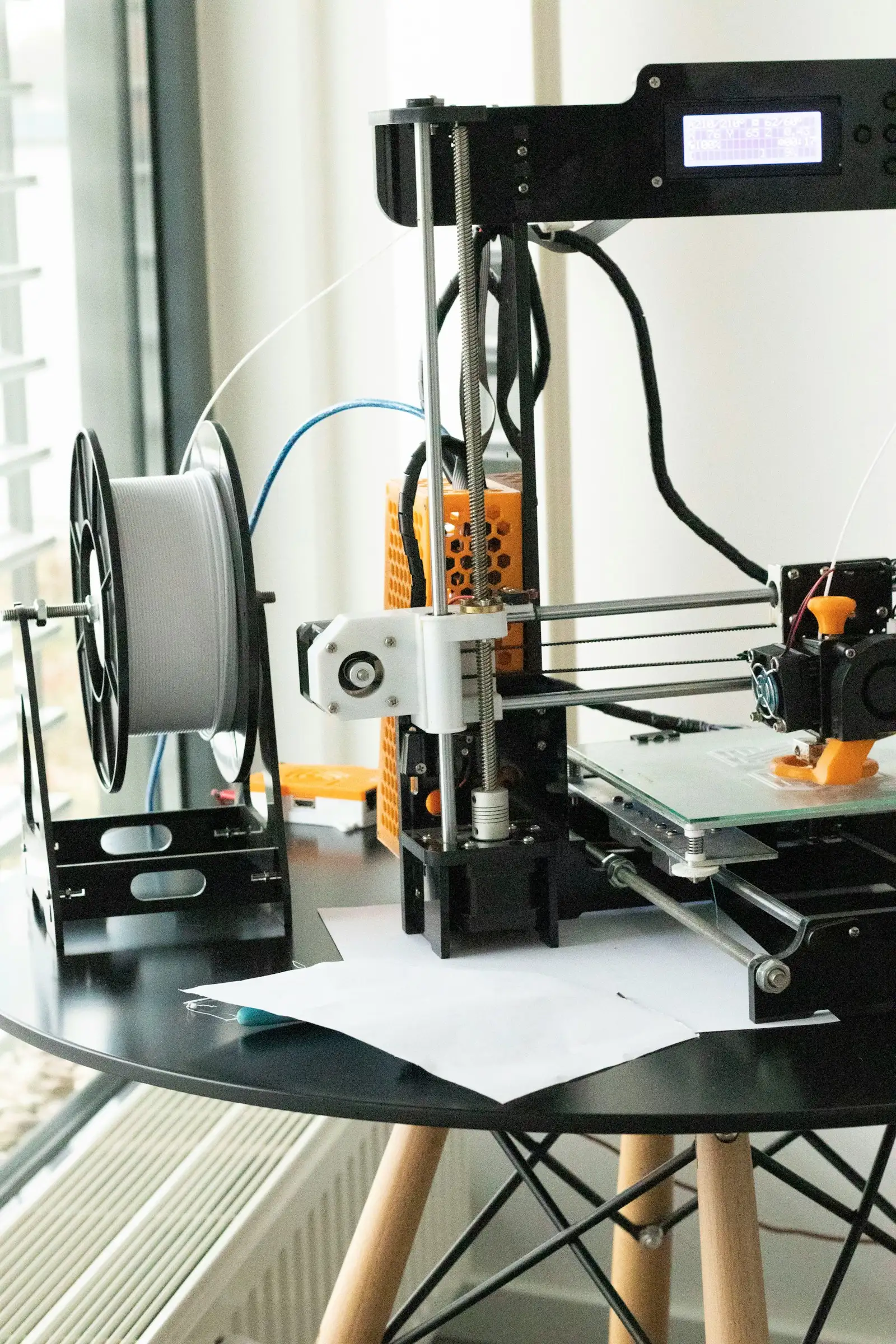
The first filament purchase sets the tone for a new printer owner's experience. The wrong choice, a moisture-sensitive engineering material or a poorly toleranced budget spool, produces failed prints that read as printer problems rather than material problems and discourage new users before they have learned the basics. The right choice is forgiving: it adheres easily, prints at low temperature without an enclosure, and tolerates the imperfect calibration that every new printer starts with. This guide identifies the specific beginner-friendly spools that produce clean results while you learn, and the second material to add once PLA is consistent.
Quick answer
Start with PLA. It prints at low temperatures, needs no enclosure, and forgives imperfect calibration while you learn. Hatchbox PLA is the reliable budget standard with tight tolerance, and PolyTerra PLA hides layer lines with a matte finish. Add PolyLite PETG only once PLA prints cleanly, when you need tougher functional parts.
This guide contains affiliate links. LayerGrade may earn a commission at no cost to you.
Why PLA is the only correct first material
PLA is the right starting material for every new 3D printer because it removes the most variables from the learning process. It prints at 190 to 220 degrees Celsius, adheres to a clean PEI surface at 60 degrees bed temperature without glue or spray, and does not require an enclosure to print without warping. Every one of those properties is a problem you do not have to solve while you are still learning to read a first layer and tune a slicer profile.
The contrast with the alternatives makes the case. ABS warps off the bed without an enclosure. TPU buckles in a Bowden extruder and demands a direct-drive setup. Nylon absorbs moisture so fast that a new user encounters print failures before understanding what caused them. PLA has none of these failure modes. The only meaningful weakness is heat resistance, PLA softens near 60 degrees Celsius, so it is unsuitable for parts left in a hot car or near a heat source, but that limitation rarely matters for the decorative and prototype prints that fill the first month of a new printer's life.
Start with a clean build surface and the PLA bed temperature defaults from your slicer. A Bambu Lab Textured PEI Plate on a Bambu printer or a Wham Bam PEI Spring Steel Sheet on an Ender 3 or Prusa grips PLA without any adhesion aid, which removes another early failure point. Clean the plate with 99 percent isopropyl alcohol before every print and the most common cause of first-layer failure, skin oil contamination, disappears.
The budget beginner standard: Hatchbox PLA
Hatchbox PLA 1.75mm Filament is the commodity PLA that experienced printers keep in rotation and the right first spool for most new users. Its diameter tolerance holds at plus or minus 0.03mm, which matters more than any marketing claim: inconsistent filament diameter causes under-extrusion and clogs that a new user will misattribute to the printer. Tight tolerance removes that variable from the start.
Color-to-color consistency between Hatchbox spools of the same colorway is reliable enough to stock several colors and expect them to look the same, which is useful once you progress to multi-spool or multi-color work. At a price that makes buying multiple colors practical, it is the spool to learn on without worrying about wasting expensive material on calibration prints and stringing tests.
Hatchbox is not the highest-performance PLA available, premium engineering PLA brands offer better layer adhesion, but peak performance is not the beginner's concern. Consistency at a low cost is, and that is exactly what makes Hatchbox the right learning material before you have a reason to pay more.
The forgiving upgrade for display prints: PolyTerra PLA
Polymaker PolyTerra PLA is the beginner-friendly step up for users who care about how finished prints look. Polymaker's quality control is among the tightest in the consumer filament market, which means consistent diameter and minimal voids, the same forgiveness that makes Hatchbox a good learning material, with a better surface finish on top.
The matte finish is the practical draw. It conceals layer lines and the minor first-layer artifacts that a new user's not-yet-perfect calibration produces, so display prints look clean without post-processing. The compressed-cardboard eco spool weighs less than conventional plastic spools and reduces plastic waste across a growing collection.
PolyTerra prints at the same temperatures and bed settings as any standard PLA, so switching from Hatchbox to PolyTerra requires no profile changes. It is a drop-in upgrade for prints where appearance matters, not a different material to relearn.
The second material to add: PolyLite PETG
Once PLA prints cleanly and reliably, PETG is the correct second material to learn. It handles mechanical stress and mild heat better than PLA, tolerating temperatures up to 80 degrees Celsius, which makes it the choice for functional parts like brackets, clips, and enclosures that PLA is too brittle or heat-sensitive to handle.
Polymaker PolyLite PETG is the beginner-appropriate PETG because Polymaker's diameter consistency reduces the stringing that gives PETG its difficult reputation. PETG is genuinely harder to print than PLA, it strings more and adheres aggressively to smooth surfaces, so starting with a consistent, well-toleranced spool removes one of the variables that would otherwise compound the learning curve.
Do not start with PETG. Add it only after PLA is producing consistent results, so that when PETG presents its quirks, you can attribute them to the material rather than to a printer or slicer problem you have not yet ruled out. Print PETG on a textured plate or use a thin release layer to avoid over-adhesion, and dry the spool if stringing appears that retraction tuning does not fix.
FAQ
Frequently asked questions
What is the best filament for an absolute beginner?+
PLA, without exception. It prints at low temperatures, needs no enclosure, sticks to a clean PEI plate without glue, and forgives the imperfect calibration every new printer starts with. A consistent budget PLA like Hatchbox is ideal for learning, since tight diameter tolerance removes a variable you would otherwise blame on the printer. Save PETG, TPU, and ABS for later.
Should I buy PETG or TPU as a beginner instead of PLA?+
No. PETG strings more and over adheres to smooth surfaces, and TPU buckles in a Bowden extruder and usually needs a direct drive conversion. Both add failure modes a new user is not equipped to diagnose yet. Learn to read a first layer and tune a profile on PLA first, then add PETG for functional parts once PLA prints reliably.
Does filament brand actually matter for a beginner?+
For your first spools, consistency matters more than brand prestige. Inconsistent diameter causes under extrusion and clogs that a new user will wrongly blame on the printer. Brands with tight tolerance, such as Hatchbox and Polymaker, remove that variable so your calibration work reflects the printer, not the spool. Buy a known consistent PLA before experimenting with cheap unknown filament.