Roundup

Best Build Plates and Print Surfaces

The build plate is the surface your print sticks to, and then releases from without warping or delaminating. PEI spring steel sheets have become the dominant choice for FDM printing because they grip hot prints reliably and release them cold with a flex of the sheet. Smooth PEI suits PLA and PETG. Textured PEI adds grip and a matte finish that hides layer lines. G10 Garolite is the specialist choice for nylon and PA-CF, where PEI adhesion falls short. First-layer adhesion is where most print failures start, and a quality build plate that matches your material eliminates the majority of them.

Compared 04
Top pick Bambu Lab Textured PEI Plate
Updated Jul 2026
Quick answer

Our top pick is the Bambu Lab Textured PEI Plate: its micro-texture grips PLA, PETG, and TPU with no glue and releases them cold, leaving a clean matte first layer on Bambu machines. For open-market printers like the Ender 3 and Prusa MK3S, the Wham Bam PEI Spring Steel Sheet is the durable pick, and nylon needs G10 Garolite.

LayerGrade may earn a commission from links below, at no cost to you.

REF 01 TOP PICK Amazon
Bambu Lab Textured PEI Plate
SCORE 4.7 / 5.0

Bambu Lab Textured PEI Plate

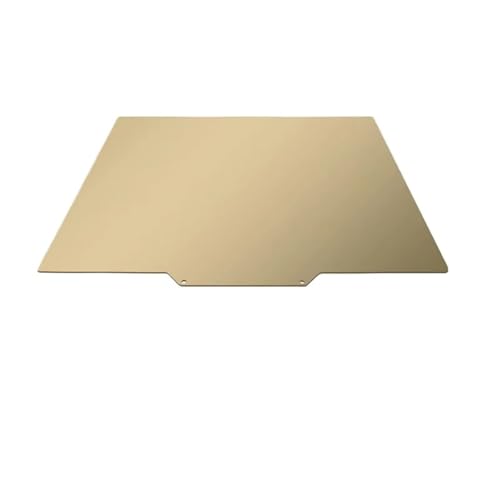
Bambu Lab's textured PEI plate is the recommended surface for printing PLA, PETG, and TPU on Bambu A1, A1 Mini, P1P, P1S, and X1C printers. The micro-textured surface grips hot prints firmly and releases them at room temperature with a flex. The texture imprints onto the first layer, producing a clean matte finish that conceals any bed adhesion artifacts. Sold in the Bambu ecosystem but physically compatible with any printer of matching dimensions using a spring steel base.

BEST FOR
Bambu Lab A1, A1 Mini, P1P, P1S, and X1C users printing everyday PLA and PETG who want a surface that handles adhesion and release automatically without any manual prep.
PRICE
$18 to $25
  1. 1Micro-texture produces clean first-layer adhesion and a matte finish that needs no post-processing
  2. 2Works with PLA, PETG, and TPU on Bambu printers without any adhesion spray or glue
  3. 3Price-to-lifespan ratio is excellent; the plate lasts for hundreds of prints before needing replacement

High-temp materials like ABS and ASA may require the Engineering Plate instead for reliable adhesion

REF 02 BEST VALUE Amazon
Wham Bam PEI Spring Steel Sheet
SCORE 4.6 / 5.0

Wham Bam PEI Spring Steel Sheet

Wham Bam's PEI-coated spring steel sheets are among the most durable build plate solutions in the consumer FDM market. The flexible spring steel base snaps onto a magnetic base plate and releases prints with a gentle flex when the plate cools below 40 degrees Celsius. Available in smooth PEI for PLA and PETG, and textured PEI for added grip and a matte surface finish on the first layer.

BEST FOR
Ender 3, Prusa MK3S, and similar mid-size FDM printers that ship with glass or bare aluminum beds and benefit from a surface that both adheres during printing and releases cleanly after.
PRICE
$28 to $45
  1. 1Spring steel flex releases prints cleanly without tools after cooling to room temperature
  2. 2PEI coating durability holds up to hundreds of print cycles without losing adhesion
  3. 3Available for most common printer bed sizes including 235x235 Ender 3 and 250x250 Prusa MK4

Requires a magnetic base plate; not compatible with printers that lack a flat magnetic bed or require modification

REF 03 NO.03 Amazon
G10 Garolite Build Plate
SCORE 4.4 / 5.0

G10 Garolite Build Plate

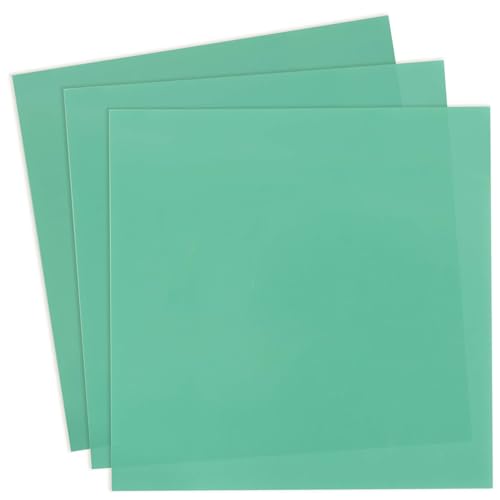
G10 Garolite is the specialist build surface for nylon (PA), PA-CF, and similar engineered filaments that adhesive poorly to PEI. Nylon bonds aggressively to Garolite at print temperature and releases cleanly when cooled, providing the first-layer adhesion that makes nylon printing reliable without a brim and without hairspray. Available in common FDM sizes and typically cut to fit from sheet stock.

BEST FOR
Users printing nylon (PA-6, PA-12), PA-CF, or similar technical materials who have struggled with first-layer adhesion on PEI or glass surfaces.
PRICE
$16 to $30
  1. 1Nylon and PA-CF bond reliably to G10 Garolite without hairspray, glue, or special treatment
  2. 2Can withstand high bed temperatures required for engineering materials without warping
  3. 3Reusable surface that lasts for many print cycles with proper cleaning

Not suitable for PLA or PETG; a specialist surface only for nylon and engineered materials

REF 04 NO.04 Amazon
Energetic Smooth PEI Magnetic Sheet
SCORE 4.3 / 5.0

Energetic Smooth PEI Magnetic Sheet

A smooth PEI surface on a flexible magnetic backing, sized for 235x235mm beds. Smooth PEI provides excellent adhesion for PLA at 60 degrees Celsius and PETG at 70 to 80 degrees Celsius, releasing cleanly on cooling. The magnetic backing simplifies installation and removal without adhesive tapes or clips.

BEST FOR
Ender 3 owners upgrading from the stock surface for the first time, and anyone looking for a budget smooth PEI solution for a secondary printer.
PRICE
$14 to $22
  1. 1Smooth PEI surface provides excellent PLA adhesion without glue or spray at standard bed temperatures
  2. 2Magnetic backing removes in seconds for cleaning or replacement
  3. 3Budget price makes buying a spare for rotation practical

Smooth PEI can over-adhere to PETG without a thin release layer; use glue stick as separator if prints stick too well

The method

How we chose

We evaluated each option on build quality, real-world performance, and value. Our top pick, Bambu Lab Textured PEI Plate, earned the spot. The first replacement build plate Bambu Lab owners should buy. The textured surface outperforms the smooth cool plate for most everyday printing materials. The comparison above highlights exactly who each pick is best for.

FAQ

Best Build Plates and Print Surfaces: FAQ

Smooth or textured PEI: which build plate should I use for PLA, PETG, TPU, and ABS?+

Smooth PEI gives the highest grip and a glossy bottom, ideal for PLA and small parts that warp easily. Textured PEI grips a bit less but releases PETG and TPU more reliably and hides first layer flaws with a matte finish. ABS and ASA often do better on a smooth or engineering plate with an adhesion aid. Match the plate to the material you print most.

Why does PETG stick too hard to my PEI plate and pull off chunks?+

PETG bonds aggressively to smooth PEI at typical PETG bed temperatures and can delaminate the coating on removal. Use textured PEI for lower but adequate grip, or apply a thin release layer of glue stick or a purpose made adhesion product on smooth PEI. Let the plate cool fully before flexing it, since PETG releases best at room temperature.

How do I get a good first layer and reliable bed adhesion?+

Clean the plate with isopropyl alcohol before every print to remove skin oils, level or auto level the bed, and dial in first layer height and flow. Match bed temperature to the material, roughly 60 degrees for PLA and 70 to 80 for PETG. Most adhesion failures are contamination or leveling, not the plate itself.

What build plate do I need for nylon or carbon fiber nylon?+

PEI does not grip nylon well. G10 Garolite is the specialist surface that nylon and PA-CF bond to at print temperature and release from when cooled, usually without hairspray or glue. Keep a G10 sheet cut to your bed size as a dedicated nylon surface and swap back to PEI for everyday PLA and PETG.

How long does a PEI build plate last before it needs replacing?+

Expect a few hundred print cycles before the coating degrades. The sign is uneven adhesion across the plate, often holding only in the warmer center. At that point a new sheet is more reliable than fighting slicer settings. Cleaning before each print and avoiding deep gouges from metal scrapers extends the lifespan considerably.