Smooth PEI vs G10 Garolite: Which Build Plate?

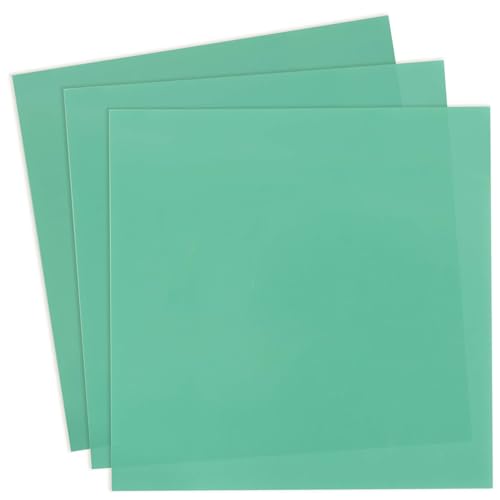
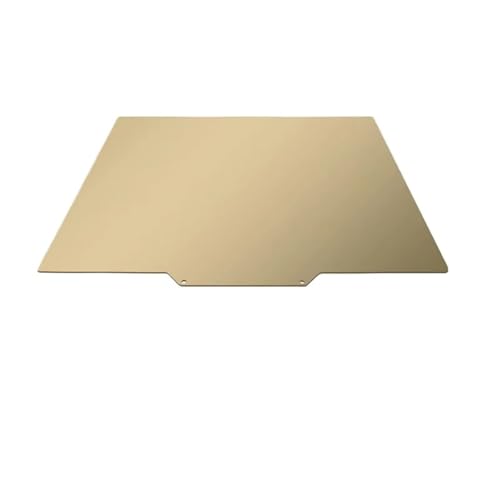
These solve different problems. The Energetic Smooth PEI Magnetic Sheet grips PLA and PETG at standard bed temperatures and releases on cooling, the right everyday surface. The G10 Garolite Build Plate is a specialist for nylon and PA-CF, which bond to Garolite without hairspray or glue but do not adhere well to PEI. Garolite is not for PLA or PETG.

This comparison contains affiliate links. As an Amazon Associate and partner of other programs, LayerGrade may earn a commission at no cost to you.

At a glance

Spec Energetic Smooth PEI Magnetic Sheet Check price on Amazon G10 Garolite Build Plate Check price on Amazon
Price $14 to $22 $16 to $30
Our rating 4.3 / 5 4.4 / 5
Best for Ender 3 owners upgrading from the stock surface for the first time, and anyone looking for a budget smooth PEI solution for a secondary printer. Users printing nylon (PA-6, PA-12), PA-CF, or similar technical materials who have struggled with first-layer adhesion on PEI or glass surfaces.
Surface Smooth PEI G10 Garolite
Best materials PLA, PETG Nylon, PA-CF
PLA and PETG Yes Not suitable
Adhesion aid for nylon Not its purpose Bonds without hairspray or glue

The two options in depth

REF Amazon
Energetic Smooth PEI Magnetic Sheet
SCORE 4.3 / 5.0

Energetic Smooth PEI Magnetic Sheet

A smooth PEI surface on a flexible magnetic backing, sized for 235x235mm beds. Smooth PEI provides excellent adhesion for PLA at 60 degrees Celsius and PETG at 70 to 80 degrees Celsius, releasing cleanly on cooling. The magnetic backing simplifies installation and removal without adhesive tapes or clips.

BEST FOR
Ender 3 owners upgrading from the stock surface for the first time, and anyone looking for a budget smooth PEI solution for a secondary printer.
PRICE
$14 to $22
  1. 1Smooth PEI surface provides excellent PLA adhesion without glue or spray at standard bed temperatures
  2. 2Magnetic backing removes in seconds for cleaning or replacement
  3. 3Budget price makes buying a spare for rotation practical

Smooth PEI can over-adhere to PETG without a thin release layer; use glue stick as separator if prints stick too well

REF Amazon
G10 Garolite Build Plate
SCORE 4.4 / 5.0

G10 Garolite Build Plate

G10 Garolite is the specialist build surface for nylon (PA), PA-CF, and similar engineered filaments that adhesive poorly to PEI. Nylon bonds aggressively to Garolite at print temperature and releases cleanly when cooled, providing the first-layer adhesion that makes nylon printing reliable without a brim and without hairspray. Available in common FDM sizes and typically cut to fit from sheet stock.

BEST FOR
Users printing nylon (PA-6, PA-12), PA-CF, or similar technical materials who have struggled with first-layer adhesion on PEI or glass surfaces.
PRICE
$16 to $30
  1. 1Nylon and PA-CF bond reliably to G10 Garolite without hairspray, glue, or special treatment
  2. 2Can withstand high bed temperatures required for engineering materials without warping
  3. 3Reusable surface that lasts for many print cycles with proper cleaning

Not suitable for PLA or PETG; a specialist surface only for nylon and engineered materials

Which should you buy?

Buy the Energetic Smooth PEI sheet if you print PLA and PETG, which is most users, and want a budget magnetic surface that adheres without glue at standard temperatures. Note that smooth PEI can over-adhere to PETG, so keep a glue stick on hand as a release layer. Buy the G10 Garolite plate only if nylon or PA-CF is in your rotation and you have fought first-layer adhesion on PEI. These are not competitors so much as complements: PEI for everyday work, Garolite as a dedicated nylon surface you swap in.

Common questions

Can I print PLA on a G10 Garolite plate?

No. G10 Garolite is a specialist surface for nylon and PA-CF and does not suit PLA or PETG. For everyday PLA and PETG, a smooth or textured PEI sheet is the correct choice.

Why does nylon stick better to Garolite than to PEI?

Nylon and PA-CF bond reliably to G10 Garolite at print temperature and release cleanly when cooled, usually without hairspray or glue. PEI does not grip nylon well, which is the most common cause of nylon first-layer failures.

Does the smooth PEI sheet work without glue?

For PLA, yes, it adheres well on its own at around 60C. For PETG it can over-adhere to smooth PEI, so apply a thin glue-stick release layer if prints stick too hard, and let the plate cool before flexing it.